


D O C U S E R I E S
Founded in 1979, The Clipper Ship Foundation makes grants to nonprofit organizations offering critical services to individuals living in Greater Boston.
I served as a Board Fellow for the Foundation during my time at Brandeis International Business School. They tasked me with spearheading their social presence and brand growth in a creative way. I pitched the idea to create grantee video profiles, which quickly became a docuseries.
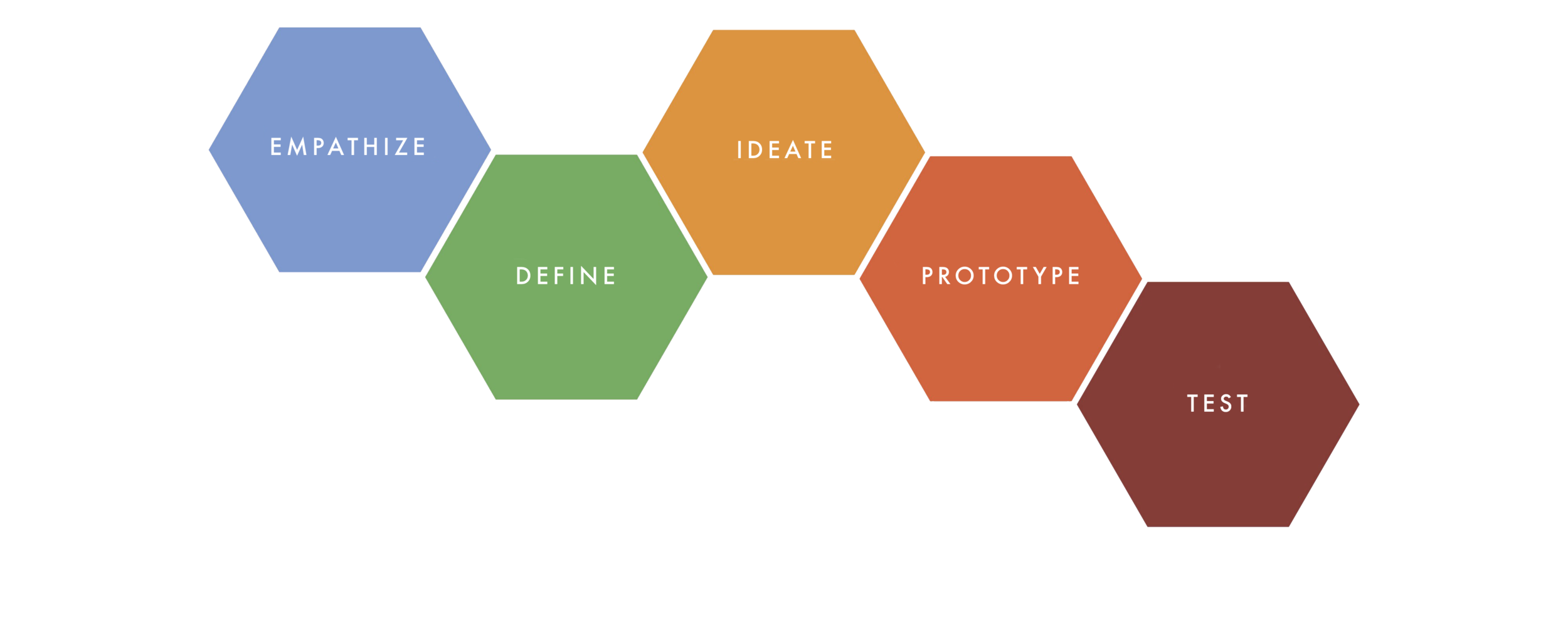
Stanford Design Thinking Process
With a $0 budget, I took on the challenge, using all the resources readily available to me to produce, direct, film and edit the entire docuseries solo in 2 months while enrolled in graduate school.
The docuseries went through many stages of change as I developed my creative approach.
I was less concerned about what each organization did—that could be answered with a quick Google search—and more about why they existed. I used specifically tailored questions that worked to pull the interviewees out of their comfort zone, in order to capture the true influence of the organizations. That is what my video and Clipper Ship’s marketing efforts aimed to do: create a way for organizations to communicate their true, intangible values to the outside world.
I believe in bridging right and left brain sensibilities to create the most effective product. For this docuseries, I supplemented my Visual Storytelling goals with the Stanford Design Thinking Process. While the Stanford Design Thinking Process calls for repeated re-definition and re-testing of products, I only had one shot at each video. Each video shoot was backed by hours of preparation as well consideration for future shoots to ensure consistency in design and theme for the final product.
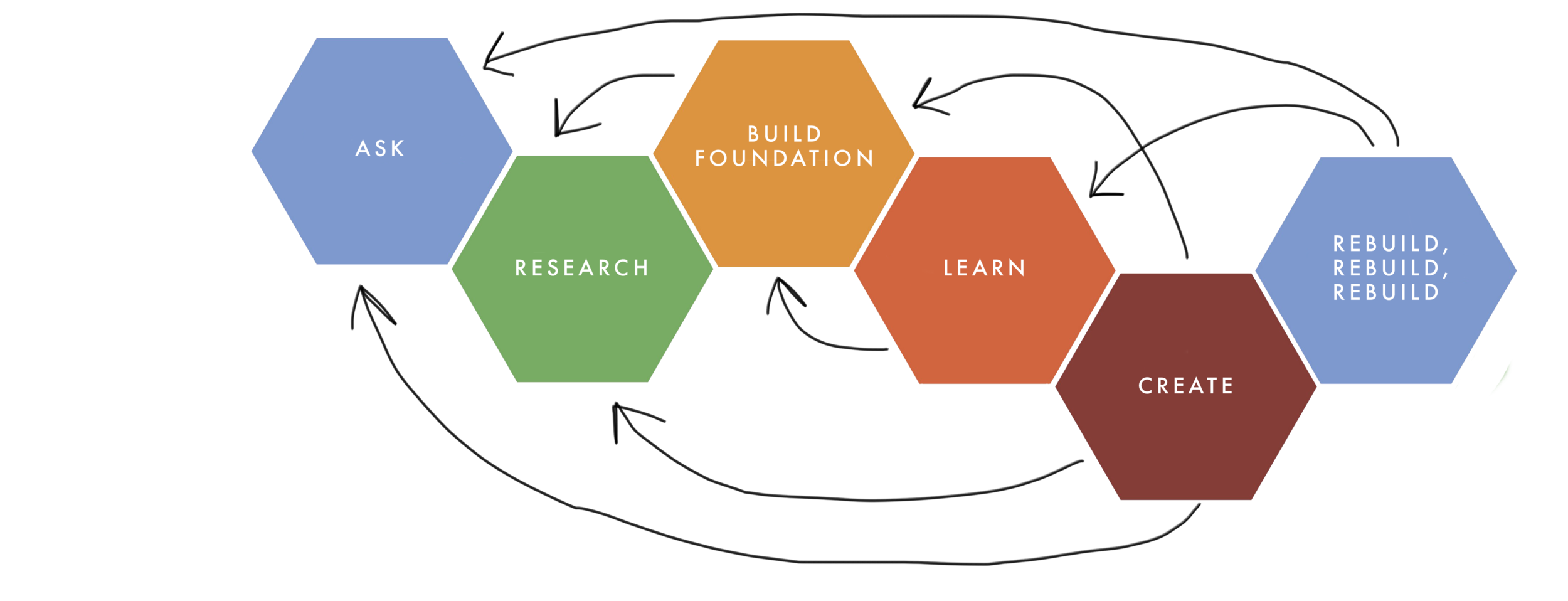
My Visual Storytelling Thinking Process for the Docuseries
My P r o c e s s :
Ask: Who is this video for? Who is meant to benefit from it?
Research: Understand the issues the organizations are trying to solve, and uncover the emotions that need to be captured.
Build Foundation: Create an overarching storyboard that each organization’s video can fit into..
Learn: Constantly adjusted my approach with each video shoot. Use obstacles—unexpected cancelations, new developments and societal themes I didn’t even know existed—to create something stronger in the end.
Create: Start with a blank canvas and always revisit steps to strengthen approach.
Rebuild, Rebuild, Rebuild: Continuously step back, eventually coming up with one product that incapsulated the Clipper Ship Foundation brand and powerfully told the stories of Boston’s communities.
THE DELIVERABLE
Importance of Self-Awareness
Throughout the creation process, I always revisited Step One above. While in an ideal world, these videos would reach every audience sector, that was never going to be the case for various reasons. I had to ensure that the docuseries was effective in impacting the main target audience and was successful in retaining viewership from those that would use it to push forth Clipper Ship’s mission.
The Final Product was 4 main videos and a trailer.
I wanted to tell the stories of difference makers. To present the hard-to-hear facts first. Then to unveil the people tackling the issues many of us aren’t even aware of. Finally, to offer a positive look to the future, one made possible by the unwavering resilience of those who the docuseries focused on, and many more like them.
Intended Audience:
Those at the top: To inspire investment in communities that need it the most.
Those already leading change: To show what the Clipper Ship Foundation was all about. What kind of organizations they fund. The kinds of problem solving that they invest in.
Those affected: To serve as a testament to strength in numbers. A story that members of marginalized communities can identify with, rally behind and use to keep pushing on.
The most rewarding part of this project was using video storytelling as a means to visualize emotions. A housing project on paper is a roof over someone’s head. A mentorship program on paper is a role model and schedule builder. What I discovered while creating this docuseries is that behind each of these organizations’ overarching missions are indescribable underlying impacts. That same housing project is a haven for young women who have no way out of an abusive relationship. It is a fresh start and stepping stone to a brighter future. That same mentorship program is a hand that pulls someone out of suicidal thoughts. It is a road to redemption and a friendship that someone didn’t realize they needed.
When organizations—be it Clipper Ship Foundation or Nike—market themselves, the main goal is to translate emotions, values and impacts like the ones these organizations bring their clients. Then, people are able to better understand what it is they are buying into—they feel the need to be a part of something bigger than themselves.